

What is Hantavirus?
Hantavirus is a rare but potentially life-threatening infection spread by rodents. Recognizing symptoms early and seeking care quickly can be the difference between a full recovery and a critical outcome. For over three decades, the expert technicians at Aftermath have been called to detect and remediate harmful viruses and illnesses like COVID-19, Superbugs, and other infectious diseases.
Recent Cruise Ship Outbreak
A cluster of suspected Andes virus cases recently emerged aboard the MV Hondius, a cruise vessel, claiming three lives and sickening multiple passengers. Current evidence points to pre-boarding exposure in Argentina or subsequent spread through close contact onboard, as investigators found no signs of rodent presence on the ship. The World Health Organization has noted that while limited human-to-human transmission cannot be ruled out in this incident, the broader risk to the general public is considered low at this time.
The Andes Strain
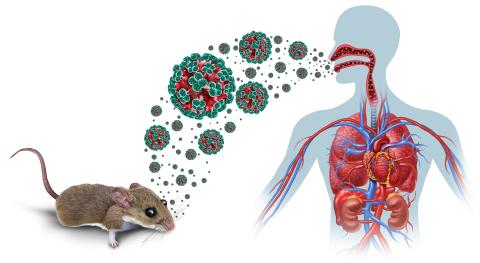
Unlike most hantavirus strains, the Andes virus — endemic to regions of Argentina and Chile — stands apart for a rare and concerning characteristic: its documented capacity for person-to-person transmission. This typically requires sustained close contact, such as prolonged exposure between household members or medical personnel treating infected individuals. With a fatality rate of roughly 40%, the Andes strain ranks among the most lethal variants of hantavirus known today.
How serious is it?
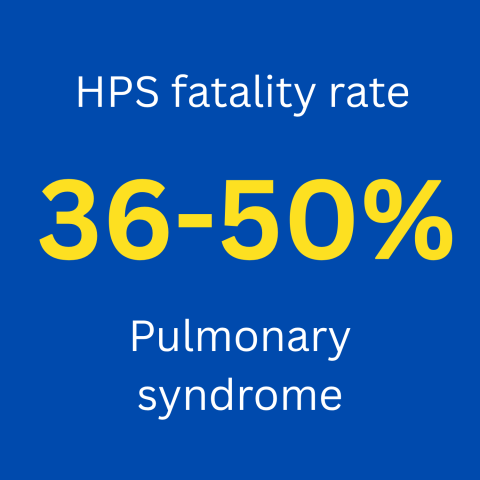
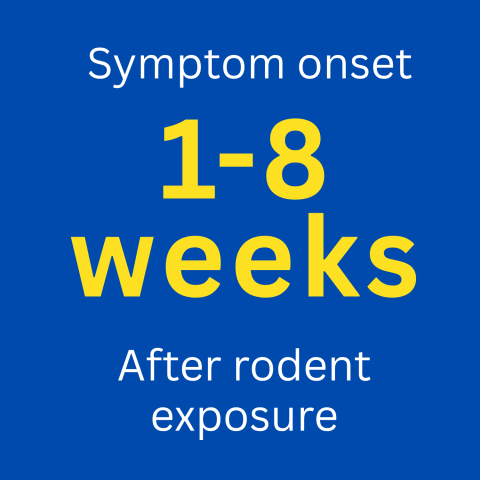
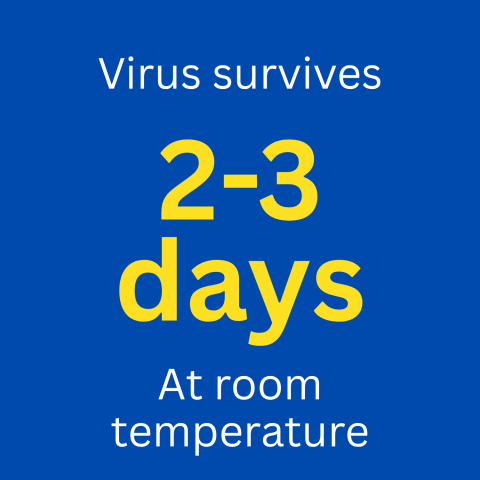
Person-to-person contraction is rare, except in the Andes strain.
Recognize the Symptoms
Symptoms often mimic the flu early on, which makes early diagnosis challenging. Watch for these warning signs — especially if you've recently been near rodents or cleaned an enclosed space.
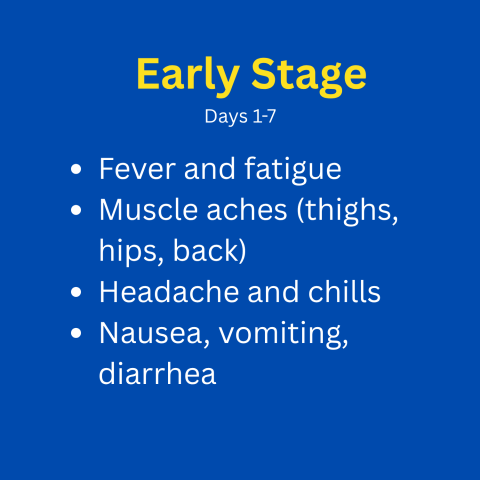
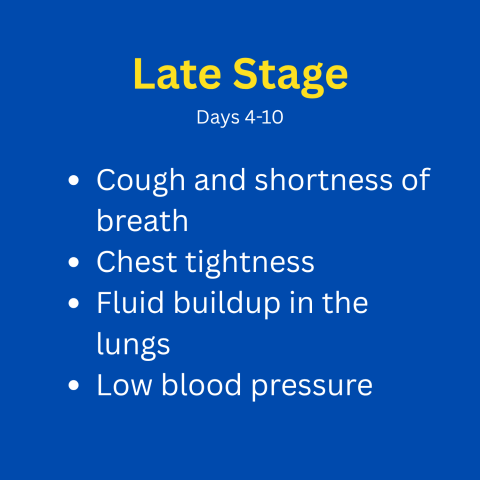
How it spreads — and who's at risk
You don't need to be bitten. Most infections happen by breathing in particles from dried rodent urine, droppings, or saliva — especially in enclosed, poorly ventilated spaces.
- Rodent waste dries out — In cabins, attics, sheds, or garages with active or past rodent presence.
- Particles become airborne — Sweeping, vacuuming, or disturbing dry droppings releases viral particles into the air.
- You inhale them — Without proper protection, the virus enters the lungs. Risk is highest in spring and early summer when rodent activity peaks.

Prevention: what to do if you find rodent signs
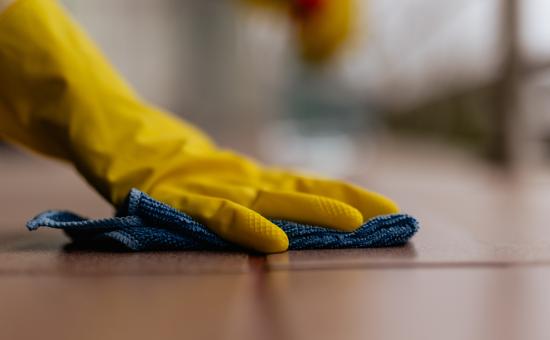
Safe cleanup reduces your risk significantly, that’s why it’s critical to hire a professional cleanup company who is equipped with the knowledge and equipment to handle the job quickly and effectively.
Think you may have been exposed?
Don't wait for symptoms to worsen. Early evaluation — including your exposure history and lab testing — gives you the best chance of a safe outcome. A doctor can guide you on next steps. If you think you or someone you know may have been exposed, contact your doctor first, then contact us to schedule a decontamination assessment. Call 1-800-366-9923. Available 24/7.
Frequently asked Questions about Hantavirus
What is hantavirus and how do people get infected? Hantavirus is a group of zoonotic viruses naturally carried by rodents. People typically become infected through contact with an infected rodent's urine, droppings, or saliva. Less commonly, infection can occur through a rodent bite. Activities that increase risk include cleaning enclosed or poorly ventilated spaces, farming, forestry work, and sleeping in rodent-infested environments.
Can hantavirus spread from person to person? In most cases, no. However, the Andes virus — found primarily in Argentina and Chile — is the one known exception. Limited human-to-human transmission has been documented, typically through prolonged close contact with an infected person, particularly among household members or intimate partners. This appears most likely during the early stages of illness.
What are the symptoms of hantavirus infection? Symptoms generally appear one to eight weeks after exposure and typically begin with fever, headache, muscle aches, and gastrointestinal issues such as nausea, vomiting, or abdominal pain. In severe cases, the illness can progress to coughing, shortness of breath, fluid in the lungs, and shock — or in other strains, kidney failure and bleeding disorders.
Are all hantavirus strains equally dangerous? No. The severity and type of illness depends on the strain and geographic region. In the Americas, hantavirus most commonly causes Hantavirus Cardiopulmonary Syndrome (HCPS), a serious respiratory condition with a fatality rate of 20–40%, sometimes up to 50%. In Europe and Asia, hantaviruses typically cause Haemorrhagic Fever with Renal Syndrome (HFRS), which primarily affects the kidneys, with a much lower fatality rate of under 1–15%.
Is there a treatment or vaccine for hantavirus? Currently, there is no licensed antiviral treatment or vaccine for hantavirus. Care is supportive, focusing on managing respiratory, cardiac, and kidney complications. Early access to intensive care significantly improves outcomes, particularly for HCPS patients.
How is hantavirus diagnosed? Diagnosis can be difficult early on because initial symptoms resemble other illnesses like influenza or COVID-19. A thorough patient history — including rodent exposure, travel, occupation, and contact with known cases — is essential. Laboratory confirmation uses blood tests to detect hantavirus-specific antibodies or molecular testing (RT-PCR) to identify viral RNA during the acute phase.
How common is hantavirus globally? Hantavirus infections are relatively uncommon, with an estimated 10,000 to over 100,000 cases occurring worldwide each year. The largest burden is in Asia and Europe. In the Americas, HCPS is rarer — the United States has reported fewer than 1,000 total cases — but the high fatality rate makes it a significant public health concern.
Q8: How can hantavirus infection be prevented? Prevention centers on reducing contact between people and rodents. Key measures include sealing entry points in buildings, storing food securely, keeping homes and workplaces clean, and using safe cleaning practices in rodent-contaminated areas — such as dampening surfaces before cleaning and avoiding dry sweeping, which can aerosolize the virus. Good hand hygiene is also essential. If you think your residence or business has been exposed, call a professional to perform a thorough cleaning and disinfection, providing you with peace of mind.
Important links: